
Common Rendering Mistakes to Avoid in Home Renovations


Understanding the Importance of Proper Rendering
Rendering is a crucial component in home renovations, offering both aesthetic appeal and functional benefits. It provides a smooth finish to walls and can protect the structure from weather damage. However, mistakes in rendering can lead to costly repairs and unsatisfactory results. Understanding common pitfalls can help ensure a successful renovation.
Choosing the Right Materials
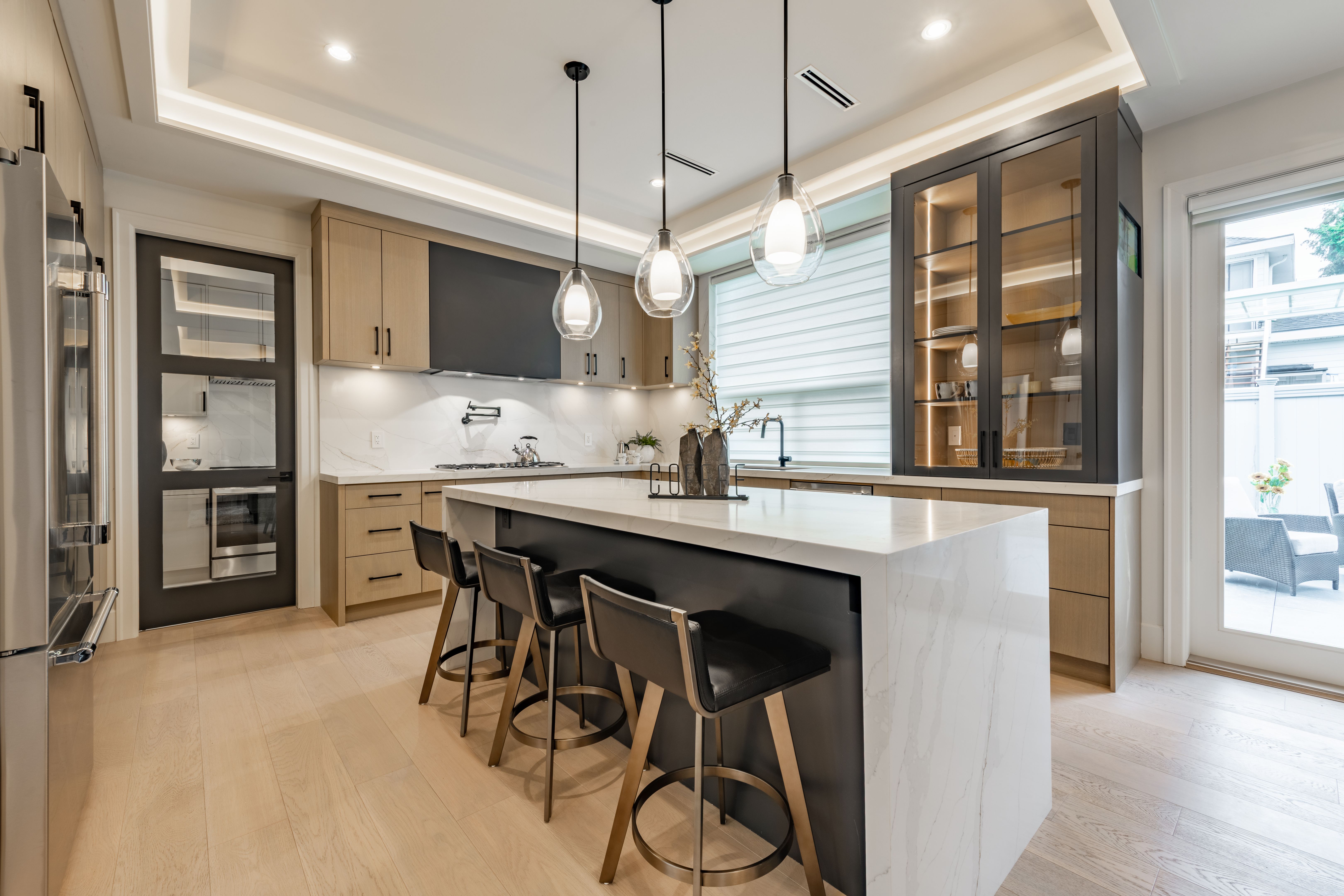
One of the most frequent mistakes is selecting the wrong materials for rendering. Each type of render—such as cement, lime, or acrylic—has specific properties and applications. Cement render is durable but lacks flexibility, while lime render offers breathability and flexibility, suitable for older buildings.
It's important to assess the building's needs and environment before settling on a material. For instance, acrylic renders are popular for their waterproof properties and vibrant colors, making them ideal for areas with high rainfall.
Ignoring Surface Preparation
Skipping or inadequately carrying out surface preparation can lead to adhesion problems. It's essential to clean the surface thoroughly, removing dirt, dust, and loose materials. This step ensures that the render adheres properly and lasts longer.
Dealing with Cracks and Imperfections
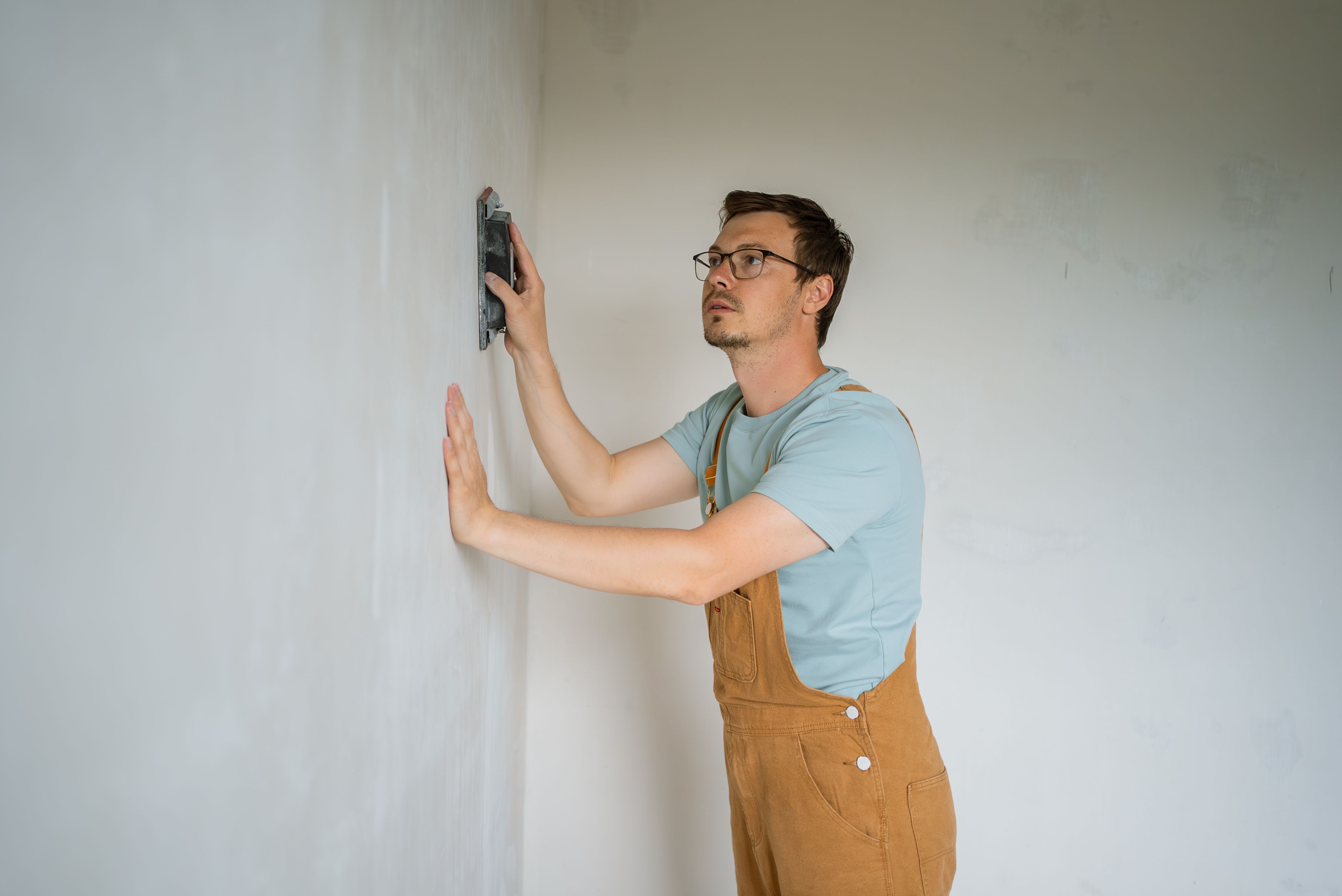
Patching up cracks and leveling out imperfections before rendering is crucial. Failing to do so can result in an uneven finish and may even cause the render to crack over time. Use a filler or a patching compound to address these issues before applying the render.
Application Errors
The application process requires precision and skill. Applying render too thickly can cause it to crack as it dries, while a too-thin layer may not provide adequate protection. It's essential to follow the manufacturer's guidelines regarding thickness and drying times.

Inappropriate Weather Conditions
Weather conditions have a significant impact on rendering. Applying render in extreme temperatures or high humidity can affect its drying time and final appearance. Ideally, render should be applied in mild weather conditions to allow for even drying and curing.
Neglecting Maintenance
Once the rendering is complete, ongoing maintenance is crucial to ensure its longevity. Regular cleaning and inspections can prevent issues like mold growth and surface deterioration. Early detection of minor problems can save time and money in the long run.

Regular Inspections
Conducting regular inspections allows homeowners to address minor issues before they escalate. Look for signs of cracking, discoloration, or water penetration. Address these problems promptly to maintain the integrity and appearance of the render.
By avoiding these common rendering mistakes, homeowners can ensure that their renovations not only enhance the look of their property but also provide lasting protection and value. Proper planning, execution, and maintenance are key to successful rendering projects.